Understanding the psychological triggers behind casino gambling behavior
The Allure of Risk and Reward
The psychological appeal of casino gambling often stems from the thrill associated with risk and reward. Players are frequently drawn to the possibility of winning significant amounts of money with minimal investment. This attraction to risk is not unique to gambling; it is a fundamental aspect of human behavior, rooted in our evolutionary history. The prospect of a high payoff can trigger a release of dopamine in the brain, creating a euphoric sensation that reinforces the desire to gamble further. Additionally, players may find strategies, tips, and tricks online, such as those found at https://fisherman.mobi/, which enhance their gaming experience.
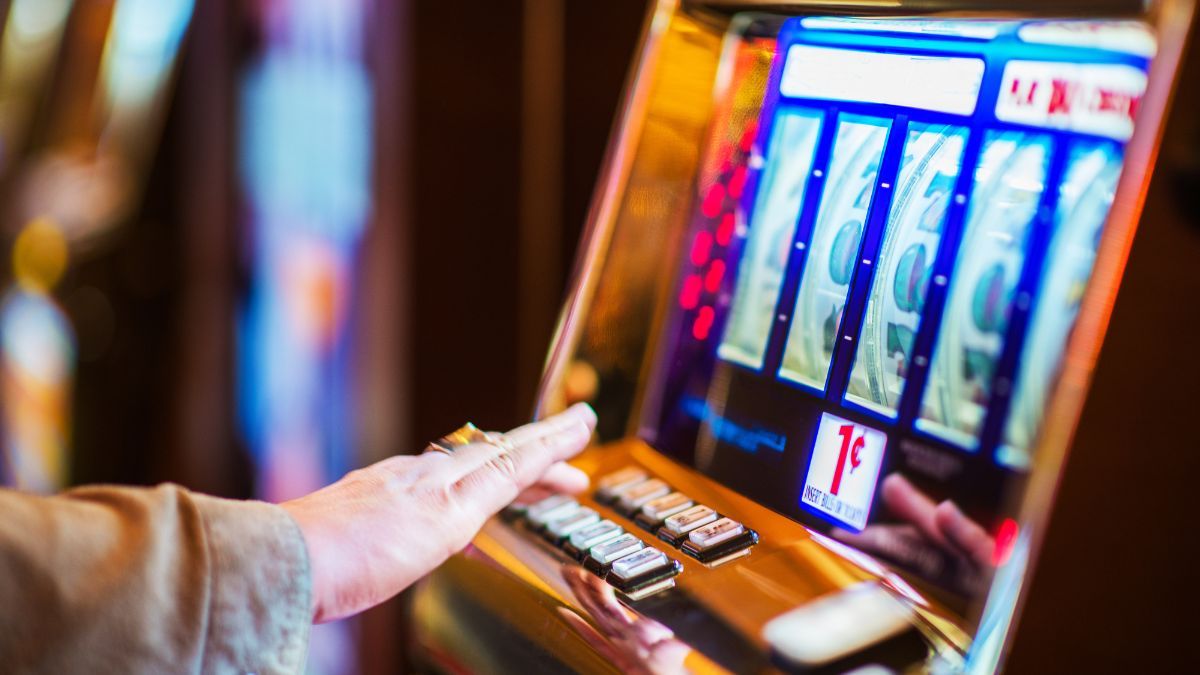
Moreover, the intermittent reinforcement schedule that casinos use can make the gambling experience even more compelling. Unlike other forms of entertainment where rewards are predictable and consistent, gambling often offers sporadic wins. This unpredictability can heighten excitement and encourage players to keep trying, fueled by the hope of hitting the jackpot. This dynamic is similar to behavior observed in gambling addiction, where the chase for a win becomes a compulsive urge.
Additionally, the social aspects of gambling play a significant role in its allure. Many individuals enjoy the communal experience of playing games in a casino environment, whether it be at slot machines or poker tables. This social interaction can enhance the emotional highs associated with winning and buffer the emotional lows of losing, further embedding the psychological triggers that compel players to return time and again.
The Role of Cognitive Biases
Cognitive biases significantly influence gambling behavior, often leading players to make irrational decisions. For instance, the gambler’s fallacy can cause individuals to believe that past outcomes influence future events. A player might think that if a particular slot machine hasn’t paid out recently, it is ‘due’ for a win. This misconception can lead to increased betting and prolonged play, as players feel a false sense of control over the game’s outcome.
Another common cognitive bias in gambling is the illusion of skill. Many players believe that their strategies can influence outcomes, especially in games like poker or blackjack. This perception can lead them to gamble more aggressively, as they feel confident in their ability to outsmart the house. However, this illusion often overlooks the inherent randomness of most casino games, which can lead to substantial losses over time.
Lastly, confirmation bias also plays a crucial role. When players experience a win, they often remember and emphasize this event while downplaying or forgetting losses. This selective memory can create an inflated sense of success, encouraging players to continue gambling under the misconception that they are more successful than they actually are. The intertwining of these cognitive biases forms a potent psychological environment that drives gambling behavior.
The Influence of Emotions
Emotions are a powerful force in gambling behavior, acting as triggers that can both motivate and deter individuals. For many, gambling serves as an emotional escape, providing a temporary relief from stress and anxiety. The euphoric rush of winning can temporarily drown out personal issues or financial worries, creating a cycle where gambling becomes a coping mechanism rather than a form of entertainment.
However, emotions can also lead to destructive gambling habits. Losses can evoke strong feelings of frustration or despair, prompting individuals to chase their losses in a bid to regain control. This can result in a vicious cycle of gambling more as they try to recover their previous winnings, which often leads to even greater losses. Emotional distress can cloud judgment and lead to impulsive decisions, further entrenching individuals in their gambling behavior.
In contrast, positive emotions can enhance the gambling experience. Celebrating small wins or enjoying the thrill of the game can heighten the overall excitement, reinforcing the desire to gamble. This emotional rollercoaster is a key factor in why people return to casinos, seeking that exhilarating rush that both victory and defeat provide. It’s essential for players to be aware of their emotional state when gambling to avoid falling into unhealthy patterns.
The Impact of Environment and Design
The physical environment of a casino can also play a significant role in influencing gambling behavior. Casinos are often designed to create an immersive experience, using bright lights, engaging sounds, and alluring decor to draw players in. This sensory overload can enhance excitement and keep players on the floor longer than they initially intended. For example, the sound of slot machines paying out or the cheering from a nearby table can create a festive atmosphere that encourages more play.
Moreover, the layout of casinos is intentionally designed to promote gambling. Slot machines are frequently placed in high-traffic areas, making them easily accessible to players. This strategic placement can lead to impulsive gambling behavior, as individuals may feel compelled to try their luck when passing by. Additionally, the lack of windows or clocks can make it difficult for players to gauge how much time they’ve spent gambling, further prolonging their stay and increasing the potential for losses.
Social environments within casinos also affect behavior. Players often gamble in groups or with friends, which can amplify the excitement and create a competitive atmosphere. This camaraderie can lead individuals to gamble more than they might if they were alone, as the group dynamic encourages participation and sometimes risky behavior. Understanding how the environment influences gambling decisions can help individuals make more informed choices about their play.

Exploring Gambling Resources and Support
As awareness of the psychological triggers behind gambling behavior grows, so does the availability of resources and support for those who may struggle with gambling addiction. Numerous organizations offer counseling and guidance to help individuals understand their behaviors and develop healthier habits. These resources often provide education on the psychological and emotional aspects of gambling, equipping individuals with knowledge to make informed choices.
Moreover, many casinos themselves are beginning to implement responsible gambling initiatives aimed at minimizing harmful behaviors. These programs often include self-exclusion options, where players can voluntarily restrict their gambling activities for a set period. By promoting awareness and understanding of the psychological triggers behind gambling, these initiatives aim to create a safer gaming environment for all players.
For anyone seeking help, various helplines and support groups are available. These resources offer a safe space to discuss experiences and receive support from peers who understand the challenges of gambling addiction. Taking advantage of these services can be a crucial step towards regaining control and developing healthier relationships with gambling.
Leave a Reply